Decoding the Women’s Fashion Show
Fashions Nova >> Women's Fashion>> Decoding the Women’s Fashion Show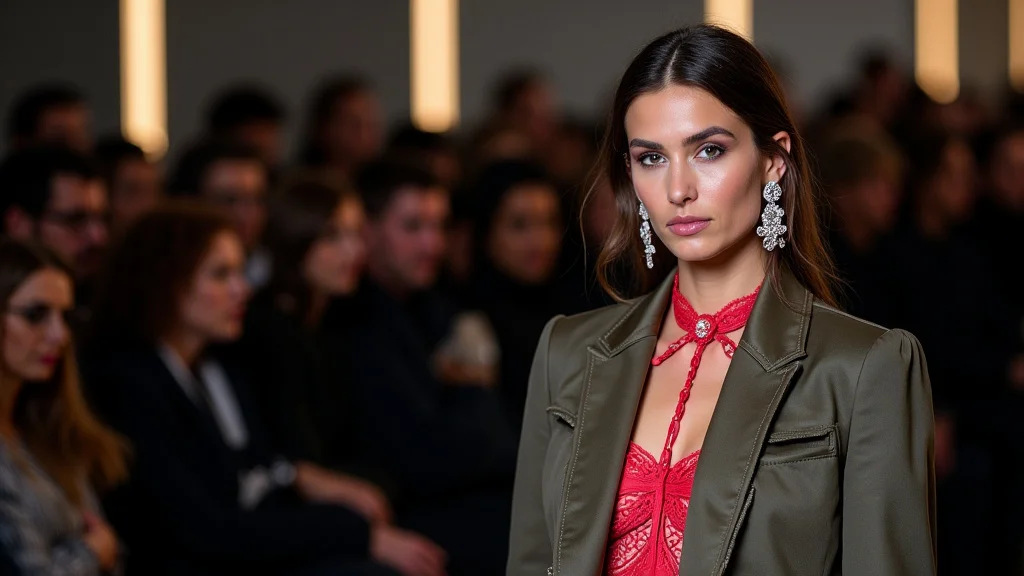
Decoding the Women’s Fashion Show
Getting started with a women’s fashion show can feel like a lot at first. You might wonder where to begin or what makes one show stand out. It is okay to feel a bit unsure!
This guide will break down the exciting world of a women’s fashion show step by step. We will make it easy to follow. Get ready to learn all about what makes these events so special and how you can better appreciate them.
Key Takeaways
- You will learn what a women’s fashion show is all about.
- We will explain the different parts of a show.
- You will see how designers present their newest ideas.
- We will cover how these shows influence what people wear.
- You will find out why watching these events is fun.
What Is A Women’s Fashion Show
A women’s fashion show is a special event where clothing designers and brands display their latest collections to the public, press, and buyers. These shows are like theatrical productions, using models to walk down a runway, showcasing clothes in motion. They are a way for designers to tell a story with their clothing, setting moods and trends.
It is more than just clothes; it is art, culture, and business all rolled into one.
These events can happen at various times of the year, often aligned with fashion weeks in major cities like New York, Paris, London, and Milan. A women’s fashion show is a preview of what will be popular in the upcoming seasons. Think of it as a sneak peek into the future of style.
The goal is to generate excitement, secure media coverage, and get orders from stores.
The Purpose Of A Fashion Show
The main purpose of a women’s fashion show is to present new clothing lines. Designers want to show off their creativity and craftsmanship. They aim to capture attention and make a statement.
For designers, it is a chance to build their brand’s image and connect with their audience.
Shows also serve as a marketplace. Buyers from department stores and boutiques attend to decide which pieces they will sell in their stores. This is a vital part of the fashion industry’s business cycle.
Media outlets like magazines and fashion blogs are there to report on the trends, reaching millions of people.
Who Attends A Fashion Show
Many different people go to a women’s fashion show. Fashion editors and journalists are there to write about the collections. Buyers for shops come to place orders.
Celebrities and influencers often attend to support designers and get inspiration. Industry insiders and fashion students also make up the audience.
Each attendee has a role. The press helps spread the word about new styles. Buyers make sure the clothes reach consumers.
Celebrities can give designs immediate popularity. Everyone at the show contributes to the buzz and success of the designer’s work.
Elements Of A Successful Show
A successful women’s fashion show involves many parts working together. This includes the clothing itself, the choice of models, the music, the lighting, and the set design. The atmosphere created by these elements helps to convey the designer’s vision.
The right models are essential for showing off the clothes. Music sets the pace and mood. Lighting can highlight the fabrics and colors.
The stage or runway design provides a backdrop. Every detail matters for creating a memorable experience.
How Designers Showcase Their Collections
Designers use a women’s fashion show as their main stage to reveal new ideas. They carefully select each garment to tell a story or explore a theme. The order in which clothes appear on the runway is also planned.
It starts with simpler pieces and builds up to more dramatic or elaborate outfits.
This progression helps the audience follow the designer’s thought process. It shows how different looks can be put together. A designer might use color, silhouette, or material as a guiding thread throughout the collection.
This consistency makes the show feel unified and impactful.
The Runway Presentation
The runway is the central feature of any fashion show. Models walk out, usually in a straight line, to show the outfits. The audience watches from seats arranged on either side.
The length and width of the runway, the music playing, and the pace of the models all add to the overall feel.
Models are trained to walk with a specific gait and attitude. This is not just about showing clothes; it is about embodying the spirit of the collection. They might turn at the end of the runway to allow viewers to see the back of the outfit.
Then they walk off, often to make way for the next look.
Fabric And Silhouette Choices
Designers pay close attention to the fabrics they use. The way a fabric drapes, shines, or moves can drastically change how an outfit looks and feels. For example, a flowing silk might create an elegant and romantic mood, while a stiff leather could suggest strength and edge.
Silhouettes are the outlines of the garments. A fitted silhouette hugs the body, showing off the figure. An oversized or A-line silhouette creates a different shape and mood.
The combination of fabric and silhouette is key to a designer’s expression. This is a core element in a women’s fashion show.
Color Palettes And Themes
A collection usually revolves around a specific color palette or theme. A designer might choose soft pastels for a spring collection or deep jewel tones for fall. The theme could be inspired by nature, art, history, or even a particular emotion.
This theme guides all aspects of the show, from the colors of the clothes to the music and decor. It helps create a cohesive experience for the audience. For instance, a theme about the ocean might feature blues, greens, and flowing fabrics that mimic water.
Music And Sound Design
Music is a powerful tool in a fashion show. It can set the rhythm for the models’ walks and influence the audience’s emotions. Upbeat music might create excitement, while slower, more ambient sounds can evoke a sense of calm or drama.
Sound designers work to create a soundscape that complements the visual elements. This might include a mix of music, sound effects, or even spoken words. The goal is to enhance the narrative of the collection and immerse the audience in the designer’s world.
The Impact Of Fashion Shows On Trends
Fashion shows are where many new trends are born. What you see on the runway often trickles down to what you see in stores and on the streets later. Designers showcase bold ideas that can influence everyday styles.
These shows are watched by millions worldwide through live streams and media coverage. This wide reach means a successful women’s fashion show can quickly shape public taste. What starts as a high-fashion concept can become a mainstream look.
Setting Seasonal Styles
Each fashion week, like New York Fashion Week or Paris Fashion Week, showcases collections for upcoming seasons. For example, shows in September might present spring and summer styles for the following year. This gives people a heads-up on what colors, fabrics, and shapes will be popular.
This planning helps the entire fashion industry. Manufacturers can start producing clothes, and stores can plan their buying. It creates a predictable cycle that keeps fashion moving forward.
A women’s fashion show is a key part of this yearly rhythm.
Influence On Consumer Choices
The styles presented at fashion shows directly influence what consumers buy. When a particular look or trend gets a lot of media attention, people want to emulate it. This is how runway fashion becomes street fashion.
Stores and brands often create more affordable versions of designer pieces. This makes high fashion accessible to more people. The desire for newness and to stay current drives consumer spending.
A women’s fashion show sparks this desire.
The Role Of Media And Social Media
Media coverage is crucial for spreading the word about fashion shows. Fashion magazines, websites, and news outlets report on the collections, highlighting key looks and trends. Social media has amplified this effect immensely.
Instagram, TikTok, and other platforms allow people to see show highlights in real time. Influencers often share their experiences and opinions, reaching large audiences. This instant sharing helps trends spread faster than ever before.
A women’s fashion show is now a global event online.
Case Study A Trendsetter
Consider the rise of oversized blazers in recent years. This trend was heavily featured on runways by many designers. They paired them with everything from dresses to jeans, showing their versatility.
Soon after, many high-street brands started producing their own versions of these blazers. Retailers displayed them prominently, and fashion bloggers showcased how to style them. Within a year or two, the oversized blazer became a staple in many wardrobes, proving the direct impact of runway fashion.
This shows how a women’s fashion show can lead to a widespread trend.
Behind The Scenes Of A Fashion Show
Putting together a women’s fashion show is a huge undertaking. It involves months of planning and hard work from many people. The glamour you see on the runway is the result of extensive behind-the-scenes effort.
This includes everything from designing the clothes to finding the perfect venue. There are many moving parts, and coordination is key to a smooth production. Let’s look at some of the people and processes involved.
The Design And Production Process
The journey of a garment from idea to runway is long. Designers first sketch their concepts, then create samples. They select fabrics, choose colors, and work with pattern makers and seamstresses.
This can take many months.
Once the collection is ready, the show production team takes over. They book a venue, hire models, arrange hair and makeup artists, and design the set. Every detail must be finalized to ensure the show runs perfectly.
Styling The Models
The stylist is responsible for putting together the complete look for each model. This goes beyond just the clothes. They decide on accessories like shoes, bags, jewelry, and hats.
The stylist works closely with the designer to ensure each outfit is presented as intended. They might create multiple looks for a single garment, showing how it can be worn in different ways. This is a critical role in a women’s fashion show.
Hair And Makeup
Hair and makeup artists play a vital role in shaping the overall aesthetic. They create looks that complement the clothing and the show’s theme. A dramatic look can amplify the mood of a collection.
Sometimes, the hair and makeup are very natural, letting the clothes speak for themselves. Other times, they are bold and artistic, becoming a key part of the designer’s statement. They ensure the models look polished and ready for the spotlight.
Logistics And Scheduling
Logistics are the backbone of any successful event. This includes managing the budget, securing permits, arranging transportation for staff and equipment, and setting up the venue. The schedule for the day is often very tight.
Models, stylists, and dressers work in a fast-paced environment backstage. Garments are organized by look and model. There’s a strict timetable to ensure everyone is ready on time for their walk.
Sample Statistics On Fashion Shows
Industry reports suggest that the global fashion industry is worth trillions of dollars. Fashion weeks alone can generate millions in revenue for host cities through tourism and related spending. A single major fashion week event can attract tens of thousands of attendees.
A study by the Business of Fashion found that the average cost of producing a major runway show can range from $100,000 to over $1 million, depending on the scale and location. This highlights the significant investment involved in presenting a women’s fashion show.
Common Myths Debunked
Myth 1: Fashion Shows Are Only For The Rich And Famous
While high-profile individuals and wealthy buyers attend, fashion shows are increasingly accessible. Many shows are now live-streamed online, allowing anyone with an internet connection to watch from anywhere. Furthermore, the trends presented often lead to more affordable options in mainstream stores.
Myth 2: All Fashion Is About Crazy Outfits Nobody Would Wear
It is true that some runway looks are avant-garde and designed to make a statement. However, fashion shows also present wearable pieces that can inspire everyday style. Designers aim to offer a range of clothing, from unique statement pieces to practical, stylish garments for consumers.
A women’s fashion show often includes a balance of both.
Myth 3: Fashion Shows Happen Randomly Throughout The Year
Fashion shows follow a structured calendar, primarily dictated by fashion weeks in major cities. These events are scheduled months in advance for specific seasons. For example, Paris Fashion Week typically occurs in March for the Autumn/Winter collections and in September for Spring/Summer.
This global schedule ensures designers and retailers can plan effectively.
Myth 4: A Fashion Show Is Just About The Clothes
While clothing is central, a fashion show is a multisensory experience. It involves music, lighting, staging, and the overall mood created by the designers and production team. The models’ presentation and the narrative of the collection are just as important as the garments themselves.
Frequently Asked Questions
Question: What is the main goal of a women’s fashion show
Answer: The main goal is to showcase a designer’s new clothing collection to buyers, press, and the public, setting trends and building brand image.
Question: Who decides what is fashionable
Answer: Fashion designers, stylists, trend forecasters, fashion media, and consumers all play a role in shaping what becomes fashionable.
Question: How can I watch a women’s fashion show if I cannot attend
Answer: Many fashion shows are live-streamed on the designer’s or fashion week’s website, and clips are widely shared on social media.
Question: What happens to the clothes after the show
Answer: Some pieces are sold to buyers for retail, others might be kept by the designer, and some are loaned out for photoshoots or events.
Question: Are fashion shows only for women’s clothing
Answer: While this post focuses on women’s fashion shows, there are also separate fashion shows dedicated to menswear, childrenswear, and other categories.
Wrap Up
Understanding a women’s fashion show is easier now. You see it is a blend of art and business. Designers share their visions through clothes, models, and a planned presentation.
These events shape what we wear and how we express ourselves through style. Watch for new looks and enjoy seeing creativity unfold.
Related Post
Discovering Top Women’s Fashion Magazines
Finding great stories about style can seem tricky. Sometimes it feels like there's so much…